Budget Skincare Routine That Actually Works
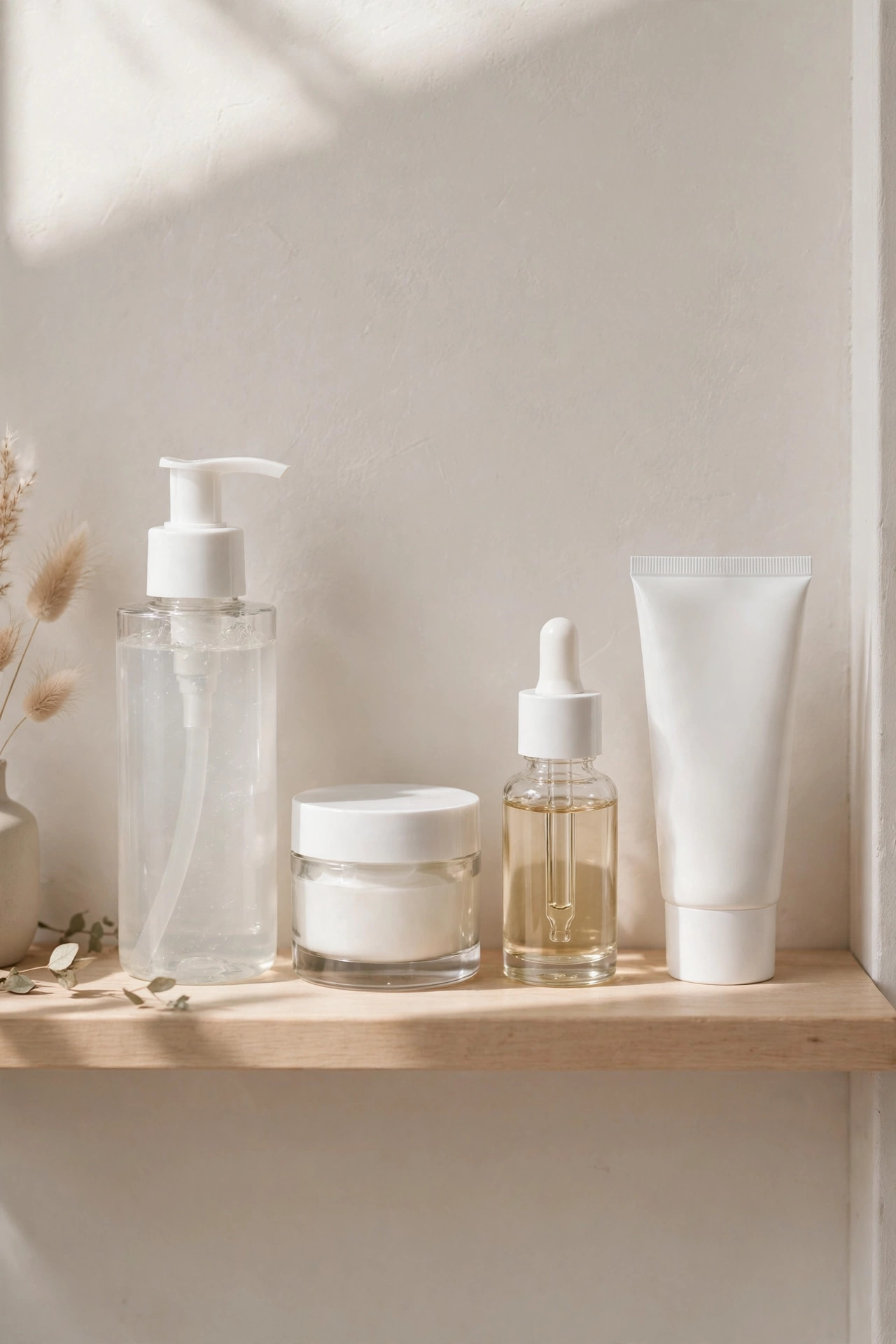
Walk into any beauty store and you will be told you need a twelve-step routine with a $60 vitamin C serum and a $45 eye cream. Your skin disagrees. Dermatologists have been saying for years that most people need exactly four things: a gentle cleanser, a moisturizer, sunscreen, and optionally one treatment product for a specific concern. Everything else is marketing.
The good news is that the drugstore versions of these staples use the same proven ingredients — ceramides, niacinamide, hyaluronic acid, zinc oxide — as the luxury versions. You are paying for the formula, not the fashion-house logo on the bottle. This routine uses five products totaling exactly $35, and most of them last two to three months, which works out to roughly $15 a month for your entire skincare.
Below is the full morning and night routine: what each step does, the order to layer, and — just as important — what you can confidently skip. Your skin does not need more products. It needs the right few, used consistently.
What You'll Need
- Gentle cream cleanser (fragrance-free) $8
- Niacinamide 10% serum $7
- Daily moisturizer with ceramides $10
- Mineral sunscreen SPF 30+ $9
- Petroleum jelly (for nighttime slugging) $1
How to Do It
- Morning: cleanse gently or just rinse. If your skin is dry or sensitive, a splash of lukewarm water in the morning is enough — over-cleansing strips your barrier. If you are oily, use a dime-sized amount of the cream cleanser, massage for 30 seconds, and rinse. Pat dry with a clean towel; never rub. This step removes overnight oil and preps skin to absorb what comes next.
- Morning: apply niacinamide serum. While skin is still slightly damp, press 3–4 drops of niacinamide serum over your face. Niacinamide (vitamin B3) is the hardest-working budget ingredient in skincare: it visibly tightens pores, evens tone, calms redness, and helps regulate oil. It plays well with almost everything, which is why it is the one "treatment" product in this routine.
- Morning: moisturize, then sunscreen. Apply a nickel-sized amount of moisturizer to lock in the serum. Then — the non-negotiable step — apply sunscreen as the last morning layer, about a quarter teaspoon for the face. UV damage causes up to 80% of visible skin aging, so a $9 sunscreen does more for your skin's future than any expensive serum. Reapply if you are outdoors for hours.
- Night: double cleanse if you wore sunscreen or makeup. First, massage cleanser onto dry skin for 60 seconds to dissolve sunscreen and makeup, rinse, then cleanse once more on damp skin. This is the one routine upgrade that costs nothing extra and prevents most clogged pores. If you wore nothing on your face, a single cleanse is fine.
- Night: serum, then a richer layer of moisturizer. Apply the niacinamide serum again on damp skin, then follow with a slightly more generous layer of moisturizer than you used in the morning. Night is when your skin repairs itself, and a well-moisturized barrier means you wake up plump instead of tight and flaky.
- Night (2–3x per week): seal it with petroleum jelly. On dry nights, pat a pea-sized amount of petroleum jelly over your moisturizer as the final step — this is "slugging." It is occlusive, meaning it locks all the hydration underneath instead of letting it evaporate. A $1 tub lasts a year, and it is the cheapest glow-up in skincare.
Budget Breakdown
| Item | Cost |
|---|---|
| Gentle cream cleanser | $8 |
| Niacinamide 10% serum | $7 |
| Daily moisturizer with ceramides | $10 |
| Mineral sunscreen SPF 30+ | $9 |
| Petroleum jelly | $1 |
| Total | $35 |
Before & After
Before: a bathroom shelf crowded with half-used products — a foaming cleanser that leaves your face squeaky, a $28 serum you bought because an influencer cried about it, three moisturizers you rotate guiltily, and no sunscreen because "my foundation has SPF 15." Your skin is confused, your wallet is lighter, and nothing has actually changed in six months.
During: the first two weeks feel almost too simple. Five products, same order, morning and night. Around week three you notice your makeup sits better because your skin is actually hydrated. By week six, the niacinamide has visibly calmed redness and your pores look smaller — the boring consistency is doing what the product-hoarding never did.
After: your routine takes four minutes morning and night, costs about $15 a month in replacements, and your skin is calmer and more even than it has been in years. The real win is knowing exactly what each product does, so when a new launch tempts you, you can ask "what would this replace?" — and the answer is usually nothing.
Tips
- Introduce only one new product at a time and wait a week before adding the next — if something irritates you, you will know exactly what it was.
- Apply products thinnest to thickest: serum before moisturizer, moisturizer before sunscreen, everything before petroleum jelly.
- Skip toners, essences, and eye creams at this budget — your moisturizer does the same job on the eye area for most people.
- Patch-test new products on your jawline for 24 hours before putting them all over your face.
- Consistency beats potency. A $7 serum used daily for two months outperforms a $60 serum used twice and abandoned.
Frequently Asked Questions
- Can drugstore products really match expensive ones?
- For the core steps, yes. Cleansers, moisturizers, and sunscreens are judged by their active ingredients and formulation, not their price. A ceramide moisturizer at $10 uses the same class of ingredients as a $50 one. Where luxury sometimes differs is texture and fragrance — nice, but not skincare.
- Do I need a separate eye cream?
- For most people, no. Your regular moisturizer is safe and effective around the eyes as long as it is fragrance-free. Dedicated eye creams are mostly smaller, pricier moisturizers. If you have a specific concern like dark circles, sunscreen and sleep help more than any cream.
- How long before I see results?
- Hydration improves within days, but real changes — calmer redness, more even tone, smaller-looking pores — take four to six weeks of consistent use, which is one full skin cycle. Take a photo on day one; the gradual change is hard to notice in the mirror.